Living Room
Built In TV Cabinet Ideas for Modern Malaysian Homes
Oct 8 2026
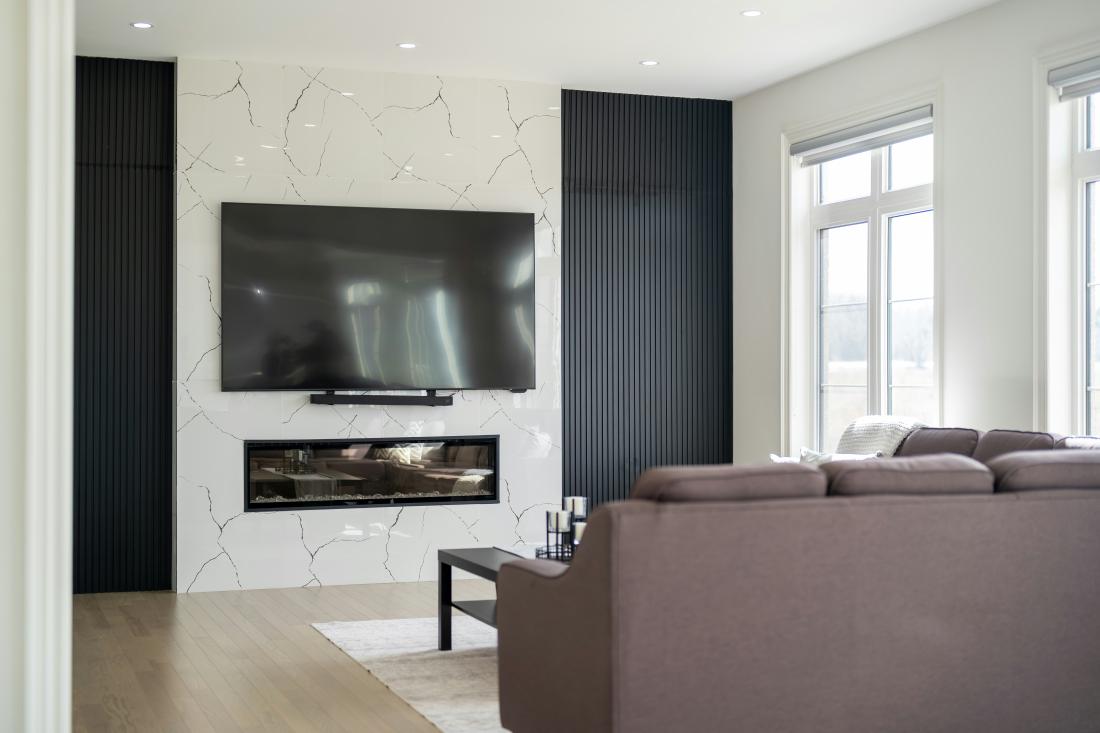
Explore stylish built-in TV cabinet ideas perfect for modern Malaysian homes — saving space while elevating your living room design.
A living room says a lot about the people who live in it. In Malaysian homes — where space is often at a premium and family life revolves around a shared living area — the TV wall has become one of the most important design decisions a homeowner can make. Built-in TV cabinets have steadily replaced freestanding units across condominiums in Kuala Lumpur, terraced houses in Penang, and landed properties in Johor, and it is easy to understand why. When done well, a built-in TV cabinet does not just hold a screen — it becomes the visual anchor of the entire room.
A living room says a lot about the people who live in it. In Malaysian homes — where space is often at a premium and family life revolves around a shared living area — the TV wall has become one of the most important design decisions a homeowner can make. Built-in TV cabinets have steadily replaced freestanding units across condominiums in Kuala Lumpur, terraced houses in Penang, and landed properties in Johor, and it is easy to understand why. When done well, a built-in TV cabinet does not just hold a screen — it becomes the visual anchor of the entire room.
What Makes Built-In TV Cabinets a Smart Choice
Unlike furniture you buy off the shelf, built-in TV cabinets are designed and constructed to fit the exact dimensions of your wall and your space. This makes them particularly valuable in Malaysian homes where living rooms often need to serve multiple purposes — a place to relax, entertain guests, and sometimes even work from home.
The immediate benefit is space efficiency. A built-in unit uses vertical height that freestanding cabinets typically ignore, giving you more storage without eating into your floor area. Hidden compartments, concealed cable management, and integrated shelving mean the room stays visually clean even when it is fully functional. For families in high-rise units where every square foot matters, this is a practical advantage that is hard to overstate.
There is also the matter of durability. Locally fabricated built-in TV cabinets in Malaysia are commonly constructed from materials such as moisture-resistant plywood, MDF board, or solid timber — each with different price points and finishing options. A well-built cabinet, properly installed and finished, can last well over a decade with minimal upkeep.
Popular Built-In TV Cabinet Ideas Worth Considering
The Full Feature Wall
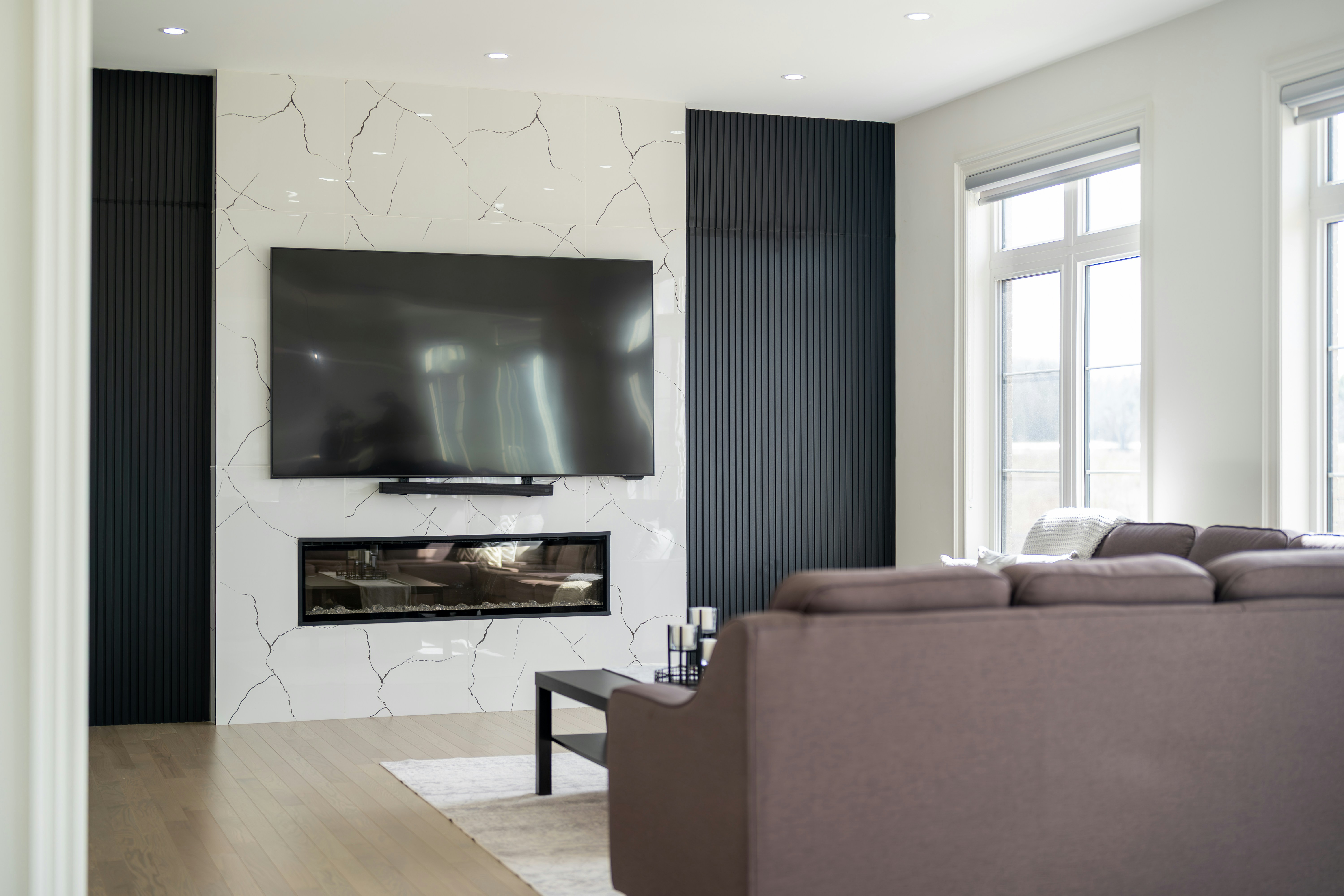
One of the most popular approaches in modern Malaysian interior design is treating the entire TV wall as a single built-in feature. This means extending the cabinetry from floor to ceiling and wall to wall, incorporating the TV panel as one seamless element within a larger composition of shelves, closed storage, and decorative niches.
This style works especially well in open-plan living and dining areas, where the TV wall naturally draws the eye from multiple angles. Homeowners often add LED strip lighting behind the TV panel or inside open shelving to create depth and warmth — a finishing touch that is both practical and visually striking.
Minimalist Floating Panel Design
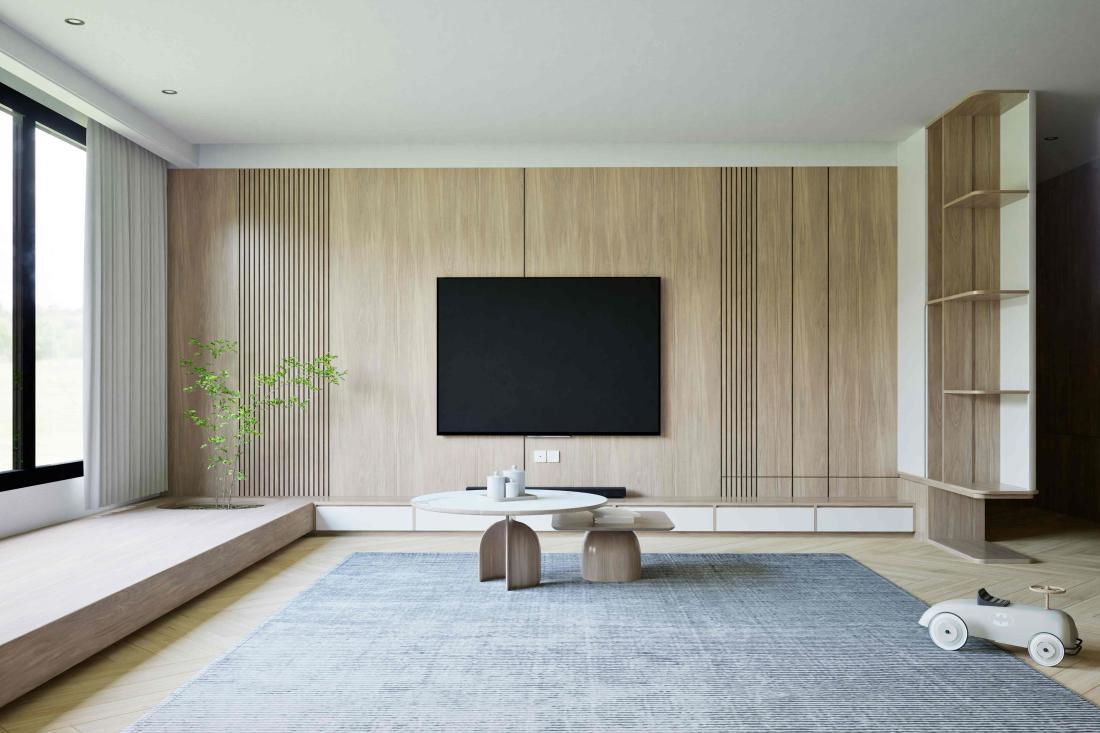
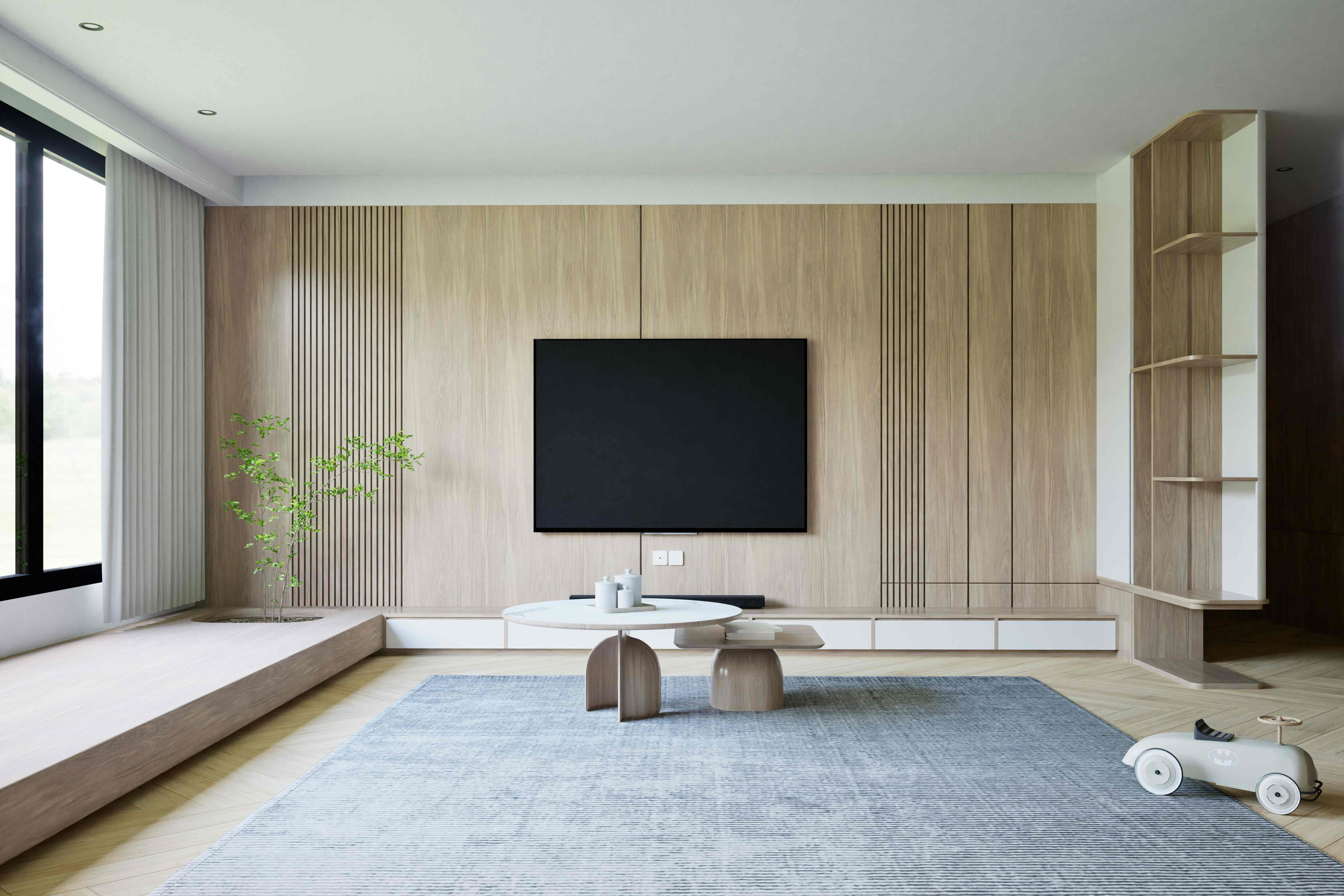
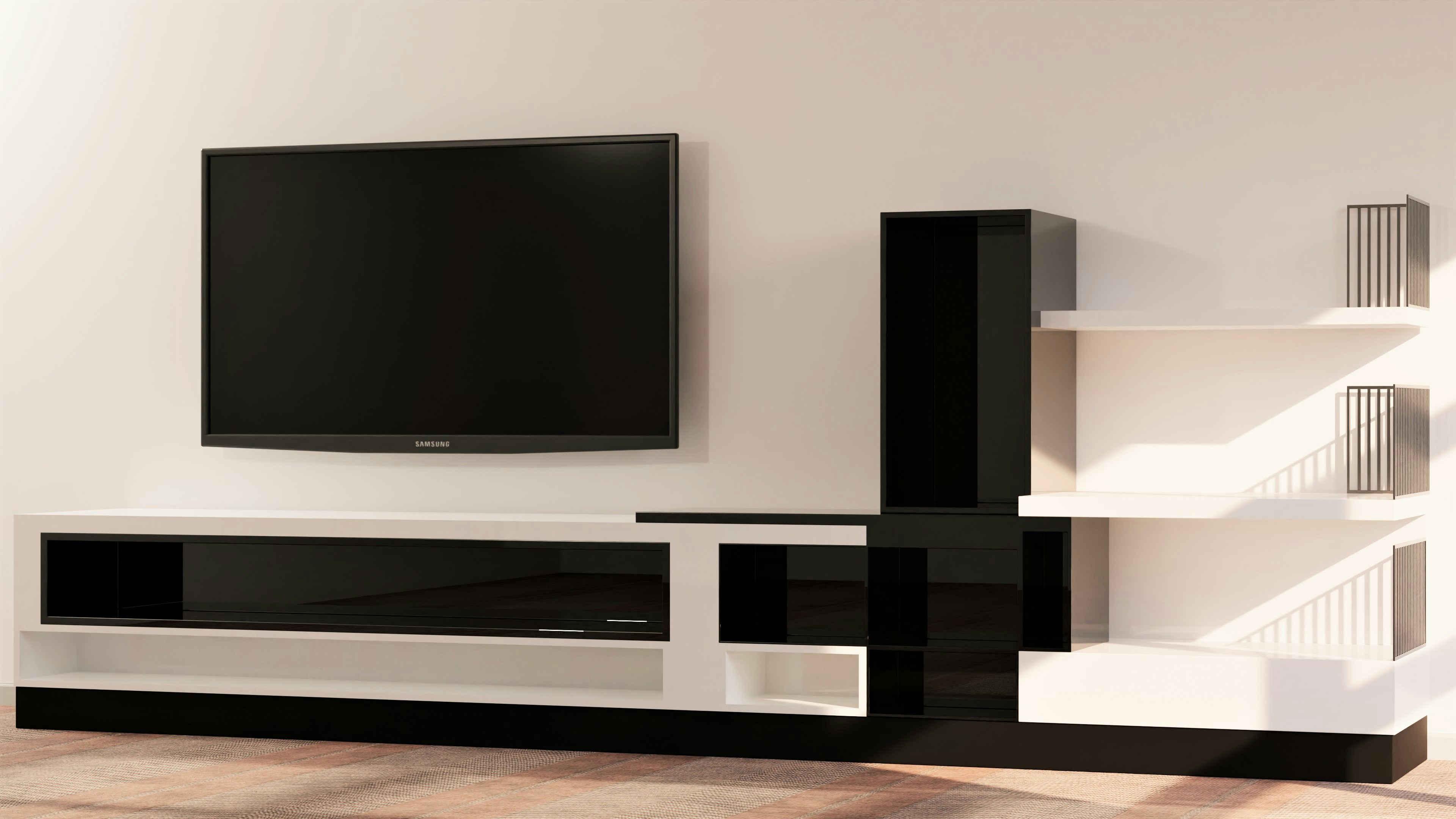
For those who prefer a cleaner, more understated look, a floating TV panel with slim lower cabinetry is a strong direction. The TV appears to hover on the wall, supported by a low-profile cabinet that conceals media devices and provides drawer storage. The negative space above and around the unit keeps the room feeling open and uncluttered.
This design pairs naturally with neutral colour palettes — white, warm grey, or light wood tones — that are currently popular in Malaysian condominium units and modern terraced house renovations. It is a particularly good fit for smaller living rooms where a floor-to-ceiling installation might feel overwhelming.
Timber and Laminate Combinations
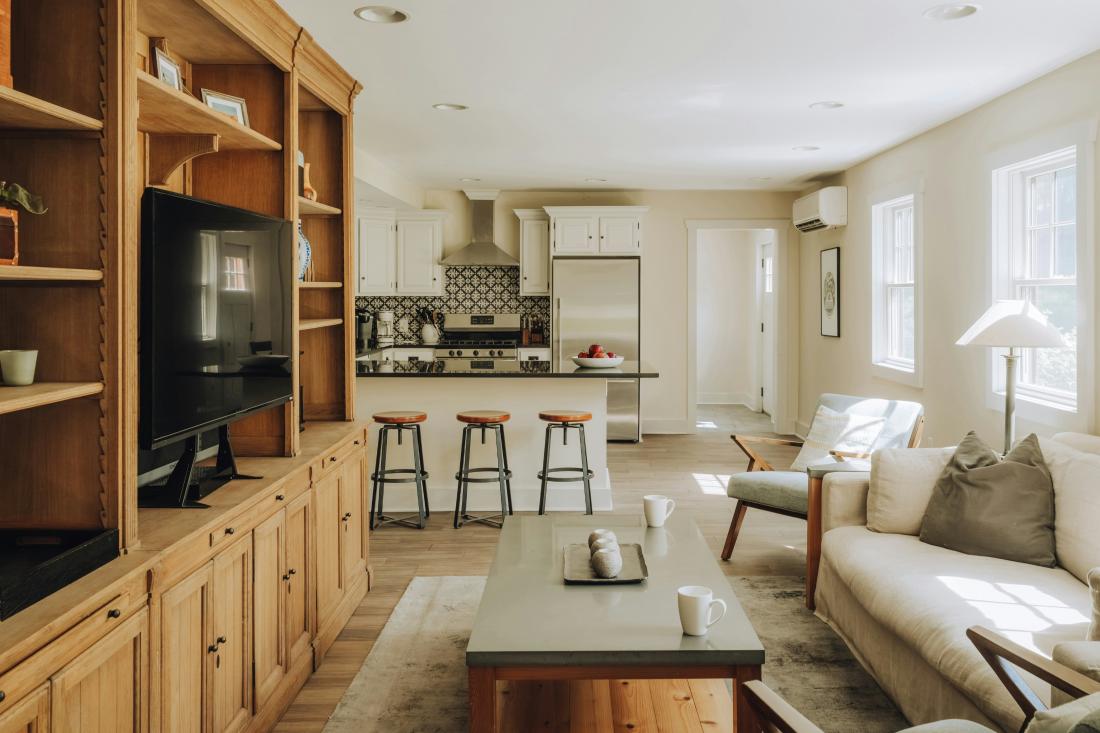
Malaysian homeowners have increasingly embraced the combination of timber veneer and laminate finishes in built-in TV cabinet designs. The warmth of wood grain paired with smooth, solid-colour laminate panels creates a layered, textured look that feels both contemporary and inviting.
This combination is versatile enough to work across different interior styles — from Scandinavian-inspired spaces that favour light oak tones to more dramatic interiors that use darker walnut finishes against white or charcoal walls. Local contractors and interior designers across Malaysia offer a wide range of laminate brands and timber veneer options at varying price points, making this one of the more accessible premium finishes available.
Built-In with Integrated Lighting and Display Niches
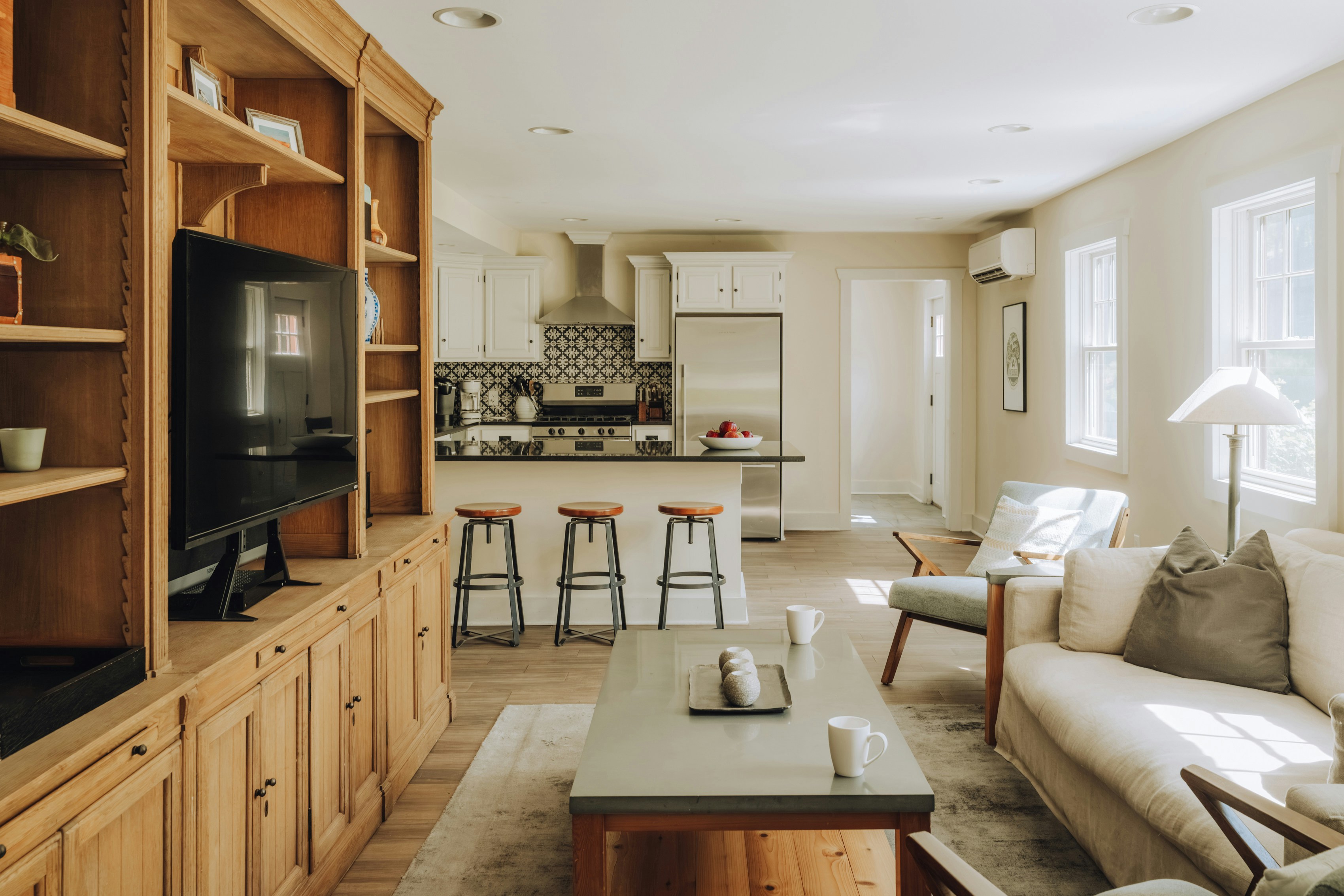
A built-in TV cabinet can do more than store media equipment — it can also become a display space for personal items, plants, books, or decorative objects. Incorporating open niches of varying sizes into the cabinet design gives the wall visual rhythm and makes the space feel curated rather than purely functional.
When paired with concealed LED lighting inside these niches, the effect is particularly effective at night, creating a warm ambient glow that reduces eye strain during television viewing. This approach is common in Malaysian show units and interior design portfolios, and it translates well into real homes with a wide range of budgets.
What to Discuss with Your Interior Designer or Contractor
Before committing to a built-in TV cabinet design, a few practical considerations are worth thinking through early.
Cabinet height and TV size need to be planned together. The centre of the TV screen should ideally sit at eye level when you are seated — typically around 100 to 110 centimetres from the floor in a standard Malaysian living room setup. This affects how high the TV panel should be positioned within the overall cabinet design.
Material selection should account for Malaysia's climate. Humidity can cause certain materials to warp or swell over time, so moisture-resistant options are worth the investment, particularly for ground-floor units or homes in areas with high humidity.
Cable management is one of those details that is easy to overlook during planning but difficult to fix after installation. A good built-in design will route cables through the wall or within concealed channels inside the cabinet, keeping the finished look clean.
Built-In TV Cabinet Ideas That Age Well
Trends in interior design come and go, but certain design principles tend to hold up over time. Choosing a relatively neutral base — in terms of colour, material, and overall form — gives you room to update soft furnishings, lighting, and decorative accents as your taste evolves, without needing to replace the cabinet itself.
Built-in TV cabinets represent a meaningful investment for Malaysian homeowners, and the best ones are those designed with both the present and the future in mind. Whether you are renovating a new home, upgrading an older property, or simply refreshing a tired living room, a well-designed built-in unit consistently delivers returns in comfort, functionality, and visual appeal.
FAQ
1. How much does a built-in TV cabinet cost in Malaysia?
Prices vary depending on size, materials, and complexity of design. A basic built-in TV cabinet in Malaysia typically starts from around RM3,000 to RM5,000, while more elaborate full feature wall designs with premium finishes can range from RM8,000 upwards. Getting multiple quotations from local contractors or interior design firms is always recommended.
2. What is the best material for a built-in TV cabinet in Malaysia?
Moisture-resistant plywood and MDF board are among the most commonly used materials due to their durability in Malaysia's humid climate. Solid timber is also an option for a more premium finish. The right choice depends on your budget, the look you are going for, and how much humidity the space is exposed to.
3. Can a built-in TV cabinet be modified or removed later?
Built-in cabinets are designed to be permanent fixtures, so removing them later is possible but will require some renovation work. If you anticipate changes — such as moving to a larger TV or reconfiguring the room — discuss modular or adaptable design options with your contractor upfront, so the cabinet can accommodate future adjustments with minimal disruption.